
Cold Morning Car Mount Test (0-10C): Clamp Stiffness and First-Dock Reliability
Keywords: cold morning phone mount test, 0-10c car mount startup, clamp stiffness phone holder, first dock reliability car mount, winter car phone mount usability, cold weather one hand docking
Cold starts expose a different weakness than summer heat. At 0-10C, clamp feel changes, plastics stiffen, and one-hand docking that felt easy in mild weather can turn into a two-step routine.
This test isolates that exact window: cold-start commuting conditions and first-dock reliability. Instead of asking only whether a mount can hold, I tracked how often it docks cleanly on first try, how much clamp stiffness affects workflow, and which mount types stay predictable before the cabin warms up.
If you want thermal context first, read Phone Mount Summer Heat Recovery Test: 20 Parked-Car Cycles and Re-dock Stability in Real Commutes and [Textured Dashboard Survival Test: 8 Mount Base Materials Compared for Creep, Noise, and Heat Cycling]. For one-hand workflow baseline, One-Hand Docking Speed Test: 15 Mount Types Ranked by First-Try Success in Stop-and-Go Traffic is the most direct companion.
How the cold-start test was run
I used morning departures in 0-10°C ambient windows and logged the first 15 minutes of each drive. The route mix included short city segments with frequent stops, plus vibration-heavy sections to test immediate stability before materials fully relaxed.
Daily metrics focused on: 1) first-try dock success right after startup 2) clamp resistance feel (light, moderate, stiff) 3) angle correction count in first 10 minutes 4) undock effort at traffic lights/quick stops 5) vibration settle behavior on cold plastics 6) reliability trend after cabin warm-up
The main metric was practical confidence: can you dock once and move on, or does cold stiffness push you into repeat adjustments?
Days 1-5: early friction is mostly ergonomic

Clamp-style cold-start reference for first-dock force consistency in morning commutes.
Check Price on AmazonIn early runs, most mounts still worked, but cold-state ergonomics separated quickly.
Magnetic mounts felt fastest at startup because they avoided high clamp resistance. Clamp styles varied by spring geometry: some remained smooth enough for one-hand use, others felt noticeably stiffer until the cabin warmed.
Suction/vacuum systems were less about raw grip and more about first-position confidence; if initial angle was off in cold state, users tended to re-touch sooner.
Days 6-10: stiffness consistency becomes the real filter

Magnetic baseline for low-effort startup docking and quick one-hand engagement.
Check Price on AmazonBy mid-phase, patterns stabilized. Better clamp systems had predictable force curves even when cold, so first-dock remained repeatable. Average systems showed greater variability: one morning felt fine, next morning felt sticky or over-tight during entry.
This is where daily annoyance starts. Not failure - just extra friction that accumulates when every workday begins with the same tiny correction sequence.
Magnetic setups stayed efficient for first-dock speed, but only when base stability limited micro-shift on rough cold roads. Fast docking does not help if first bump forces re-aim.
Days 11-15: first-dock reliability ranking
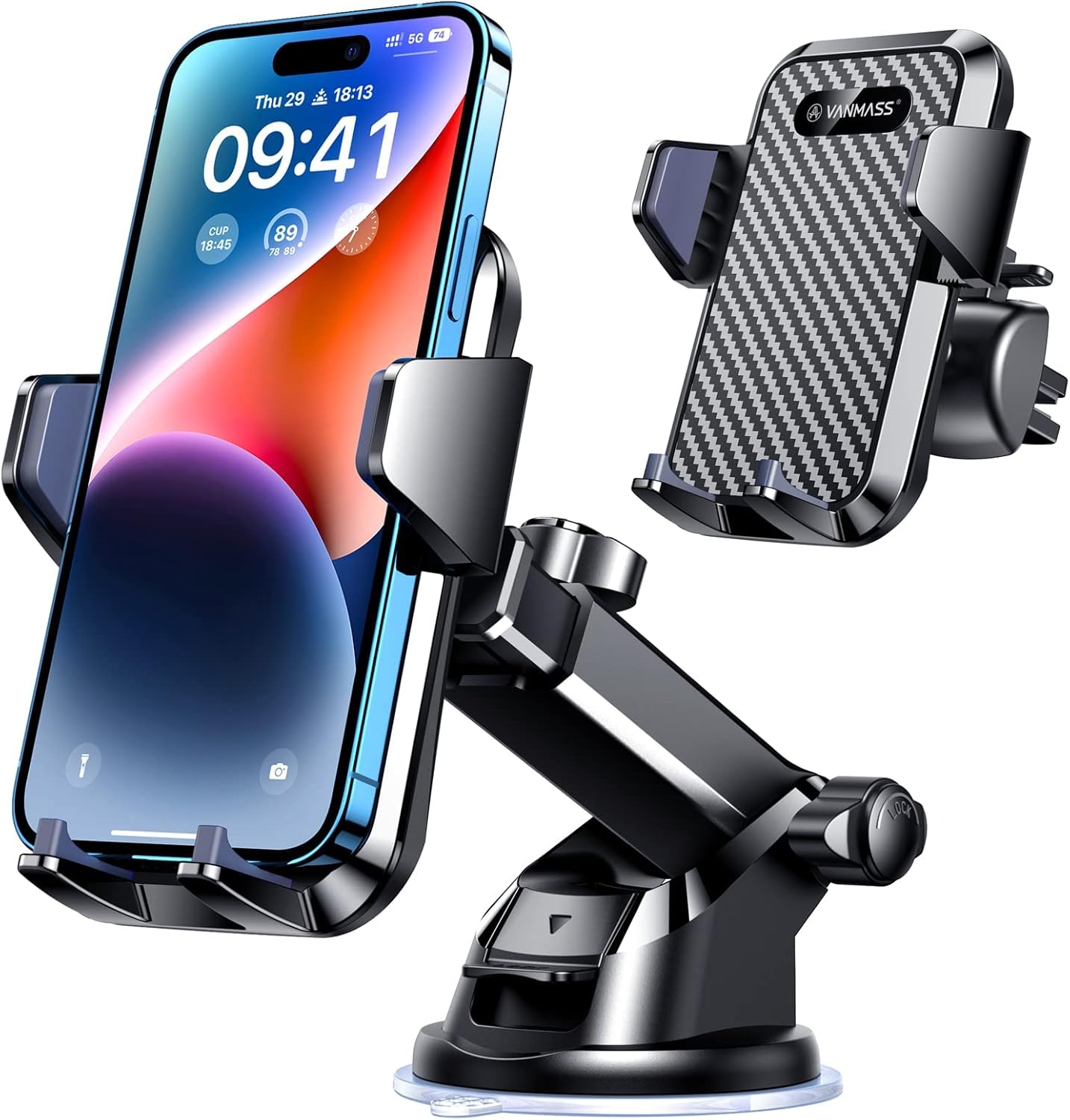
Hybrid stability control point for cold-state correction count and early-drive confidence.
Check Price on AmazonFinal cold-start ranking favored systems that combined low entry friction with stable early-drive behavior.
Top outcomes shared three traits: - predictable dock force in cold cabin state - low first-10-minute correction count - clean one-hand entry without wrist re-angle routines
Lower outcomes followed a familiar pattern: - stiff clamp feel before warm-up - inconsistent first-try seating - repeated micro-adjustments until interior temperature rose
The practical lesson: cold-weather usability is less about maximum hold claims and more about consistent startup ergonomics.
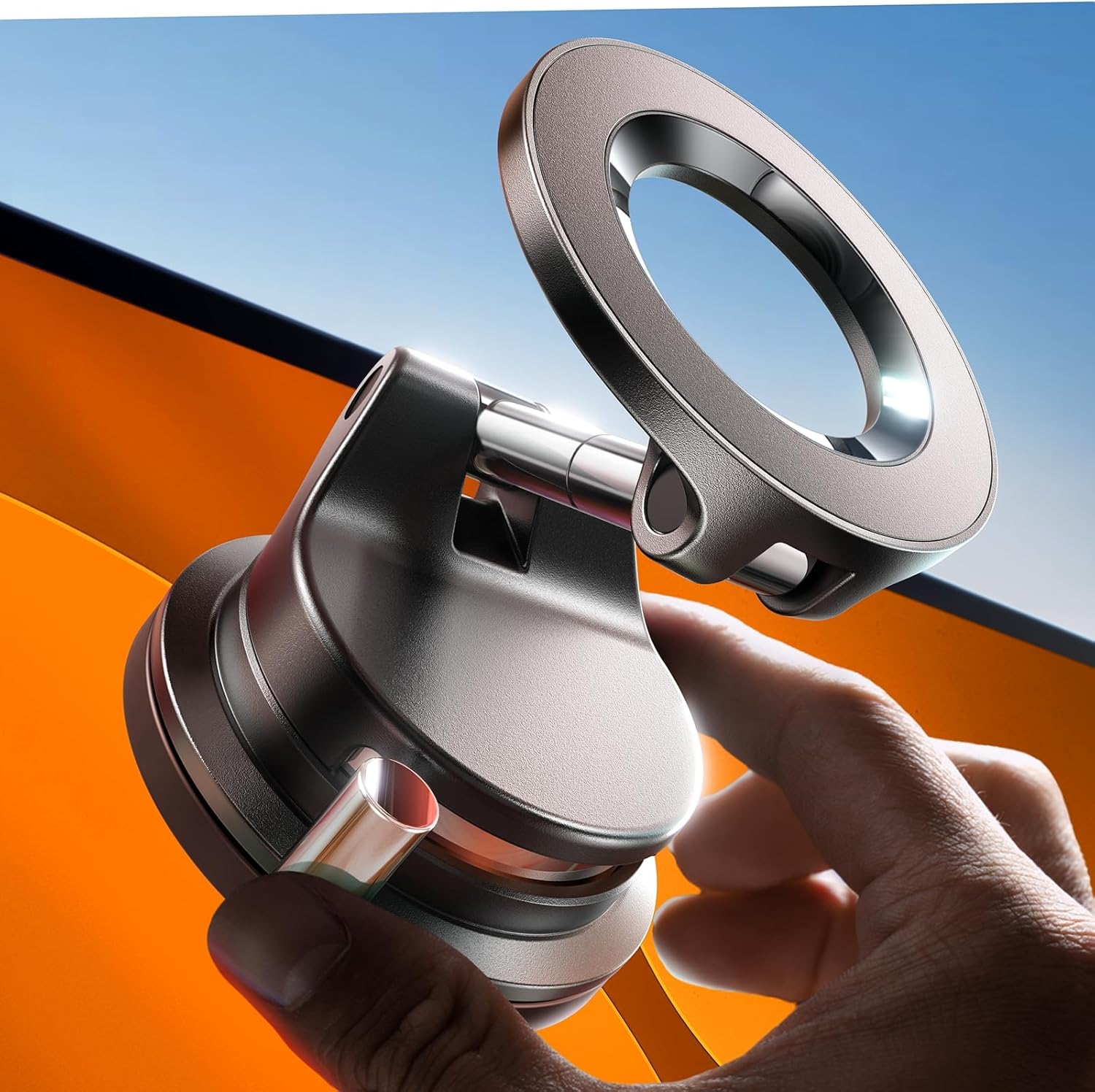
Vacuum-lever comparison point for startup angle reliability before cabin warm-up.
Check Price on AmazonHow mount type behaved in cold starts
Magnetic-first designs generally won on startup speed and reduced hand effort, especially during quick routine departures.
Clamp-heavy designs varied most by mechanism quality. Well-tuned systems remained usable; weaker systems felt mechanically grabby in cold state and increased first-dock misses.
Suction/vacuum styles depended heavily on placement discipline. When pre-positioned well, they were stable; when slightly off, cold mornings made users less patient with corrections.
What buyers should prioritize for winter mornings
If your commute starts cold most days, prioritize first-dock consistency over headline retention specs.
Practical checklist: - choose mounts with predictable entry feel at low temps - prioritize low correction count in first 10 minutes - test one-hand docking before full cabin warm-up - avoid setups that require precise multi-step entry when cold
For drivers comparing against summer behavior, pair this with [Adhesive Dashboard Mount vs Suction Mount in Summer: 30-Day Peel, Slip, and Reposition Test] to avoid choosing based on one-season impressions.
Related review anchors
Cold-start behavior here aligns with patterns seen in Lamicall 2026 Wider Clamp Vent Mount Review: Strong Daily Value with Real Vent-Mount Limits, VICSEED 2026 MagSafe Car Phone Holder: In-Depth Review, VANMASS 85+LBS Car Phone Mount Review: Strong Hold, Real-World Tradeoffs, and LISEN A608 MagSafe Vacuum Mount Review: Strong Hold, Fast Repositioning, and Real-Use Tradeoffs.
These references matter because they capture repeated daily interaction, not just warm-lab impressions.
Final takeaway
At 0-10°C, the best mount is the one that stays predictable before your cabin warms up. Across this cold-start test, long-term satisfaction tracked first-dock reliability and correction count more than maximum grip marketing.
If your mornings begin with repeated tiny docking fixes, treat that as a real product signal. In daily driving, startup consistency is performance.
For high-shock rough-road behavior and immediate post-impact usability, see [Pothole Impact Recovery Test: 100 Sharp Hits Across Mount Types, Then First-10-Minute Re-aim Tracking].
After cold-start behavior, Vent Mount Angle Optimization Test: 10 Position Setups for Glare, Reach, and One-Hand Safety helps fine-tune daily reach and glare control.
For older-cabin mounting tradeoffs in daily use, compare with CD Slot vs Vent Hook Mount in Older Cars: 21-Day Test on Vibration, Reach, and Re-Adjustment.
For the opposite seasonal visibility challenge, read Summer Sun Glare Readability Test: 12 Mount Positions Compared for Navigation Legibility and Safer Glance Time.
For a case-compatibility perspective across warm-season daily use, read Phone Case Thickness Impact Test: 30-Day Docking Accuracy, Magnet Strength Drop, and Reposition Rate.
For the complementary visibility challenge after dark, see Night Driving Glare Test: Screen Brightness vs Mount Height for Safer Glance Time.
For quick selection before deeper testing, use MagSafe vs Clamp vs Suction: Which Car Phone Holder Should You Buy in 2026? and Best Car Phone Holders by Driver Type: Commuter, Rideshare, Truck, Family, and Delivery Use Cases (2026).
For mixed condensation and fog scenarios beyond cold-stiff clamps alone, see Rain and Fog Readability Test: Wet Glass, Mount Height, and Safer Glance Time in Low-Contrast Weather.
For the human-hand side of cold commuting—liners, thicker gloves, and missed docks—read Glove Season Car Phone Mount Docking Test: Thin Gloves, Liners, Cold-Stiff Clamps, and 10 Real Commutes.
Winter wet-cabin suction and adhesive re-seat diary: Winter Wet-Cabin Week: Snow Melt, Humidity, and Suction Re-seat Honesty After Real Slush Days.
Review articles
View all →
