
Phone Mount Micro-Vibration Test: 60-Minute Highway Blur and Readability Across Mount Types
Keywords: phone mount micro vibration test, highway phone mount readability comparison, car mount screen blur at speed, best phone mount for highway navigation, long drive map readability mount, mount jitter test 60 minute highway
A phone mount can feel perfectly stable on short city drives and still become irritating on the highway. The issue is rarely dramatic movement.
That kind of jitter is easy to ignore in a 10-minute test and impossible to ignore in a 60-minute highway run.
So I ran a dedicated micro-vibration comparison across common mount types under sustained highway conditions. The practical question was simple: which setups keep screen readability calm over time, and which ones technically hold the phone but create constant visual noise?
If you want broader context first, read [Vent Mount Angle Optimization Test: 10 Position Setups Compared for Glare, Reach, and One-Hand Safety in Daily Driving], Telescoping Arm Mount 30-Day Test: Sag, Joint Wear, and Highway Readability, and One-Hand Docking Speed Test: 15 Mount Types Ranked by First-Try Success in Stop-and-Go Traffic. This article isolates long-window readability at speed.
How the 60-minute test was run
I used repeat highway segments around 65-75 mph with controlled conditions: - same phone weight class and case type per run - similar route pavement quality - similar mount viewing angle target - minimal manual touch once run started
For each setup, I logged: 1) perceived map-text sharpness over time 2) post-bump settle speed 3) persistent micro-jitter level 4) readability fatigue by minute 45+ 5) need for mid-run angle correction
The point was not to find a single winner forever. It was to reveal patterns that matter in real long-commute use.
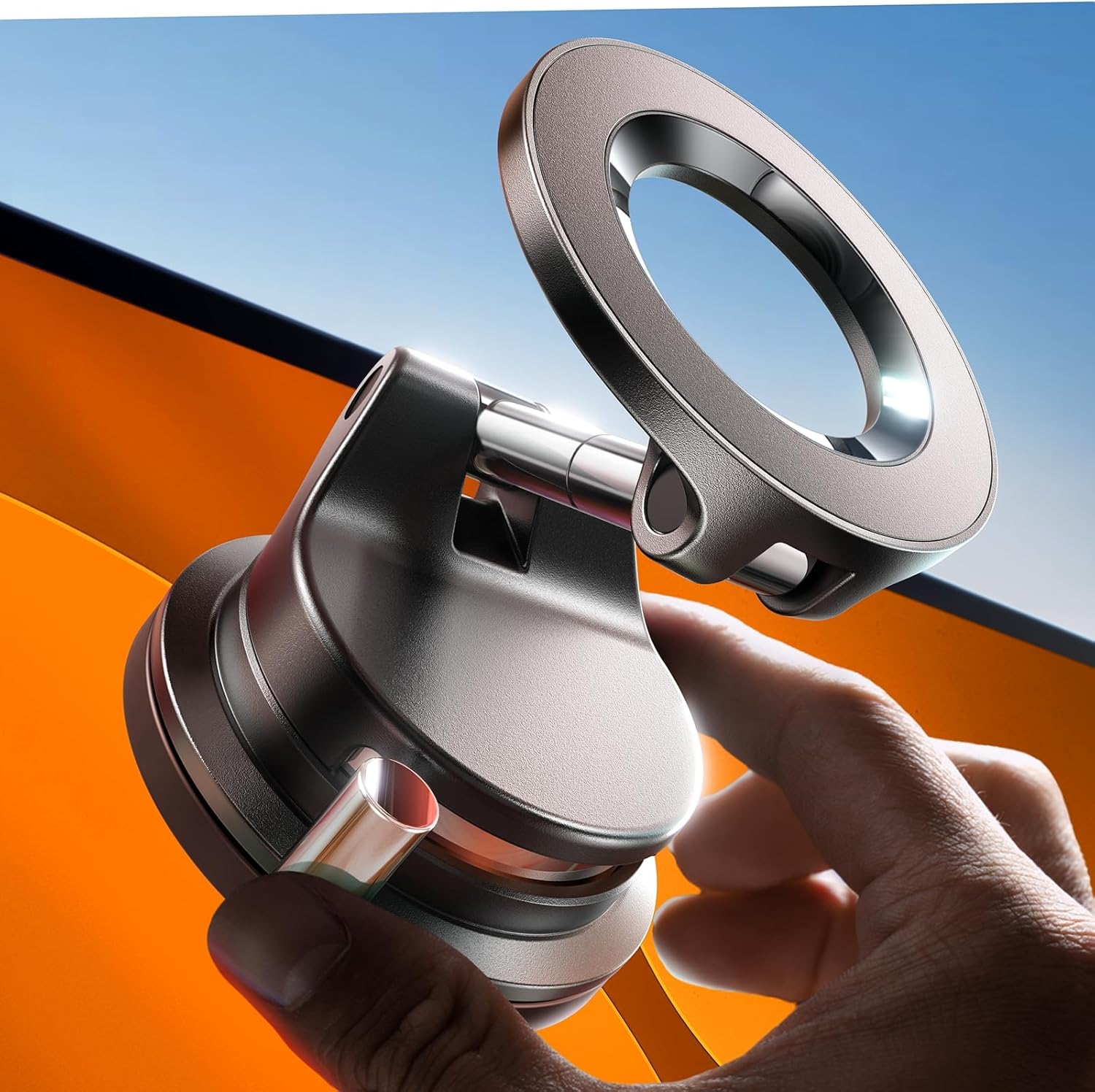
Useful benchmark for highway settle speed and low-jitter readability.
Check Price on AmazonWhat counted as a readability failure
A setup was marked as weak when it produced repeat blur moments without obvious large movement. In practice, these were the systems where lane labels and smaller map text looked slightly unstable unless I re-focused my eyes.
Even small jitter matters because highway navigation is constant glance work.
Observed pattern: geometry beats specs
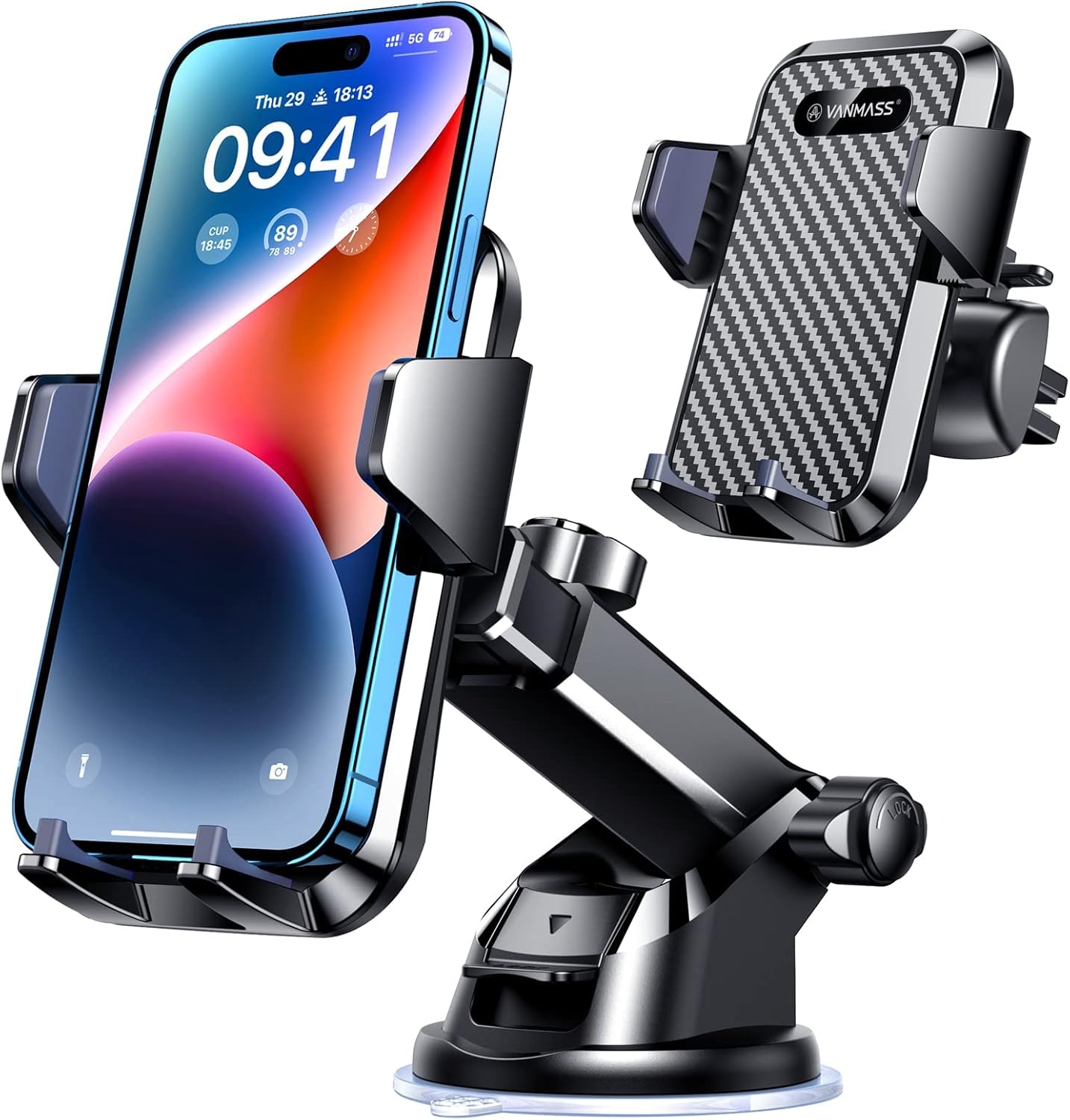
Reference for long-arm geometry tradeoffs under sustained highway vibration.
Check Price on AmazonThe strongest readability outcomes came from setups with short, rigid load paths and stable anchor behavior. The weakest outcomes usually combined long leverage arms with softer joint damping.
This matches what many drivers experience: two mounts with similar strength claims can feel very different once you spend a full hour at speed.
High-performing behavior profile
Best long-run readability setups generally showed: - low persistent jitter after the first few minutes - quick settle after expansion joints and rough patches - minimal need for touch corrections mid-drive
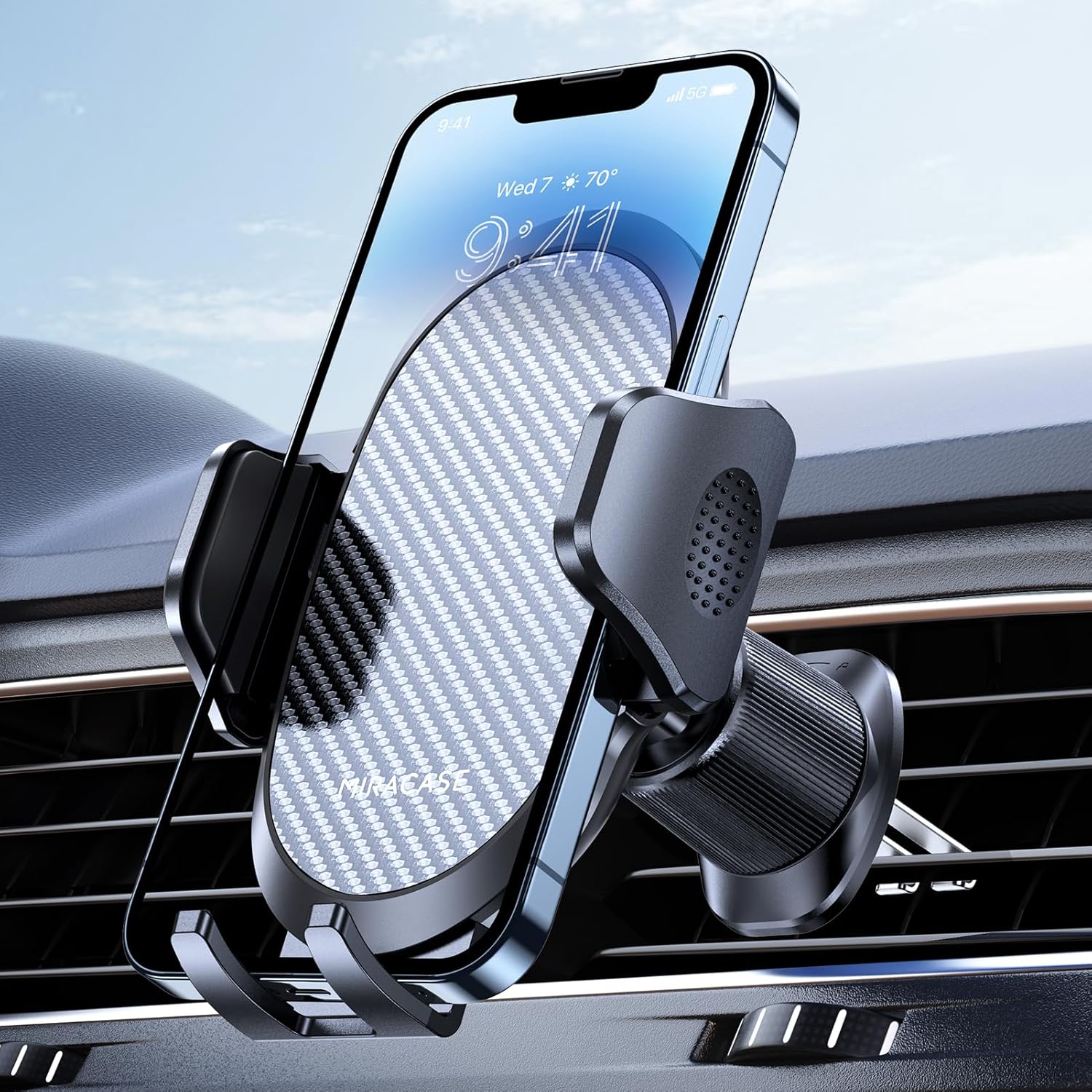
Vent-hook baseline for readable map stability over rough segments.
Check Price on AmazonThese were the mounts that felt boring in the best way. You stop thinking about the hardware and just follow navigation.
Medium tier behavior
Middle-tier setups were usable and secure but had occasional shimmer moments on rougher sections. They did not fail, but they required slightly more visual effort over longer drives.
For drivers with short highway exposure, this tier may still be fine.

Magnetic vent reference for quick-dock convenience versus long-run highway calmness.
Check Price on AmazonLower tier behavior
Lower performers were typically not unsafe. They simply created recurring low-level blur that increased fatigue and confidence checks.
Common traits: - longer arms near max extension - less damped joints - small ongoing oscillation after minor road texture changes
These are the mounts people describe as solid, but somehow annoying.
How placement changed results
Setup tuning still mattered. Slightly reducing extension and avoiding aggressive tilt improved readability in many cases without changing hardware.
That is why this test pairs naturally with [Vent Mount Angle Optimization Test: 10 Position Setups Compared for Glare, Reach, and One-Hand Safety in Daily Driving]. Better geometry often buys more clarity than people expect.
Highway-readability buying rules
If your priority is long-run map clarity: - prioritize low-jitter geometry over maximum articulation - avoid unnecessary arm extension - tune for faster post-bump settle, not just static hold - re-check at minute 40+, not only minute 5
A mount that feels great at startup can still be the wrong tool for long highway blocks.
Review-level references consistent with this test
This readability behavior aligned with practical patterns noted in LISEN A608 MagSafe Vacuum Mount Review: Strong Hold, Fast Repositioning, and Real-Use Tradeoffs, VANMASS 85+LBS Car Phone Mount Review: Strong Hold, Real-World Tradeoffs, Miracase Metal Hook Vent Mount Review, and Lamicall MagSafe Vent Mount Review: Strong Magnetic Hold with Practical Daily Ergonomics.
These reviews are useful companions because they reflect repeated real-use ergonomics rather than single-session impressions.
Quick highway stability check before committing
Before finalizing a setup for highway use: - run at least one 30-60 minute segment - observe minute-45 readability, not just early comfort - check post-bump settle on known rough sections - adjust extension down one step if shimmer appears
This simple check catches most looks stable but reads fuzzy outcomes.
Final takeaway
Micro-vibration is a real quality metric. In 60-minute highway use, the best mounts were not just strong - they were visually calm. They preserved readable maps with minimal correction and low fatigue.
If your mount feels almost right but long drives leave you squinting, the issue is often micro-jitter geometry, not gross stability. Fixing that is one of the highest-impact upgrades for highway-heavy drivers.
If you also care about cabin quietness, pair this with [Car Phone Mount Noise Test: Rattle, Creak, and Vent Buzz Comparison Over 200 km of Mixed Roads].
For high-shock rough-road behavior and immediate post-impact usability, see [Pothole Impact Recovery Test: 100 Sharp Hits Across Mount Types, Then First-10-Minute Re-aim Tracking].
For bright-light legibility under real sun exposure, compare results with Summer Sun Glare Readability Test: 12 Mount Positions Compared for Navigation Legibility and Safer Glance Time.
For portrait-versus-landscape differences under live navigation use, read Portrait vs Landscape Navigation Test: 30-Day Turn-Clarity, Lane-Change Confidence, and Touch Error Rate.
For after-dark readability where shimmer competes with brightness, compare with Night Driving Glare Test: Screen Brightness vs Mount Height for Safer Glance Time.
When shimmer stacks on top of fog and rain contrast loss, compare with Rain and Fog Readability Test: Wet Glass, Mount Height, and Safer Glance Time in Low-Contrast Weather.
When shimmer stacks on polarizer sensitivity at highway speeds, compare with Polarized Sunglasses Phone Screen Test: LCD vs OLED, Mount Angle, and Safer Glance Time in the Car.
For convertible and open-window airflow stress beyond closed-cabin highway vibration, compare with Convertible Top and Open-Window Vibration Test: Mount Stability, Wind Noise, and Glance Readability at 30-70 mph.
For quick selection before deeper testing, use MagSafe vs Clamp vs Suction: Which Car Phone Holder Should You Buy in 2026? and Best Car Phone Holders by Driver Type: Commuter, Rideshare, Truck, Family, and Delivery Use Cases (2026).
For posture-driven readability differences where seat height changes perceived blur cost, compare with Tall SUV and Pickup Seat-Height Test: Mount Position, Reach Arc, and Glance-Time Safety vs Sedans.
Review articles
View all →
