
Adhesive vs Suction Car Mount in Summer: 30-Day Peel, Slip, and Reposition Test
Keywords: adhesive dashboard mount vs suction mount, car mount summer heat test, adhesive phone mount peel test, suction mount slip test, dashboard phone holder 30 day review, car mount reposition frequency
Adhesive and suction mounts can both feel excellent in week one, then diverge once heat and daily handling pile up. This 30-day comparison tracks the issues drivers actually feel: edge peel, slow slip, first-try dock confidence, and how often you need to reposition just to keep a stable viewing angle in summer commuting.
This 30-day field test focuses on the issues drivers actually notice: edge lift, micro-slip, angle drift, first-try dock confidence, and how often you end up re-adjusting because the mount no longer feels quietly reliable. I tested both systems in the same commute pattern and logged behavior after repeated hot restarts, rough segments, and daily one-hand use.
For a twelve-day MagSafe product rotation (andobil 3M puck vs SYNCWIRE arm vs VICSEED vacuum), read Adhesive MagSafe vs Vacuum Week: 12 Days I Actually Drove (andobil 3M Puck vs SYNCWIRE Arm vs VICSEED Cup on Peel, Reposition & Heat). If you want broader context before this head-to-head, start with Dashboard Suction Mount 30-Day Test: Heat Fade, Re-stick Reliability, and Windshield Vibration Drift, Mounting Surface Prep Test: 12 Cleaning Methods Compared for Suction Hold, Adhesive Grip, and 14-Day Stability, and Phone Mount Summer Heat Recovery Test: 20 Parked-Car Cycles and Re-dock Stability in Real Commutes. For city stop-go behavior against vent systems, Magnetic Vent Mount vs Suction Mount in Summer City Traffic: 14-Day Stop-and-Go Stability and Heat Drift Test is also a useful companion.
How I ran the 30-day comparison
I used two repeated route families: dense city commuting with frequent braking and short turns, plus mixed suburban/highway stretches with longer vibration exposure. The goal was to simulate normal ownership, not a single controlled demo.
Daily logs tracked: 1) first-start confidence after parked heat 2) visible movement under repeated bumps 3) angle drift by end of drive 4) one-hand dock/undock consistency 5) re-seat / re-press / re-position frequency 6) overall attention tax (how often I had to think about the mount)
I also tracked surface conditions because this category is brutally sensitive to prep quality. A mount can be good and still feel unreliable if the install process is rushed.
Week 1: both look strong, for different reasons

Adhesive-side reference for long-run dashboard hold and heat-cycle behavior.
Check Price on AmazonEarly days favored whichever style matched your habits. Adhesive mounts felt cleaner once set and generally stayed put through normal daily driving. Suction mounts felt more flexible because repositioning was easier and quicker while tuning view angle.
At this stage, it is easy to overestimate both categories. Most users decide too early because week one rarely shows the maintenance burden clearly.
Week 2: heat stress starts revealing personality
By week two, the first differences became predictable.
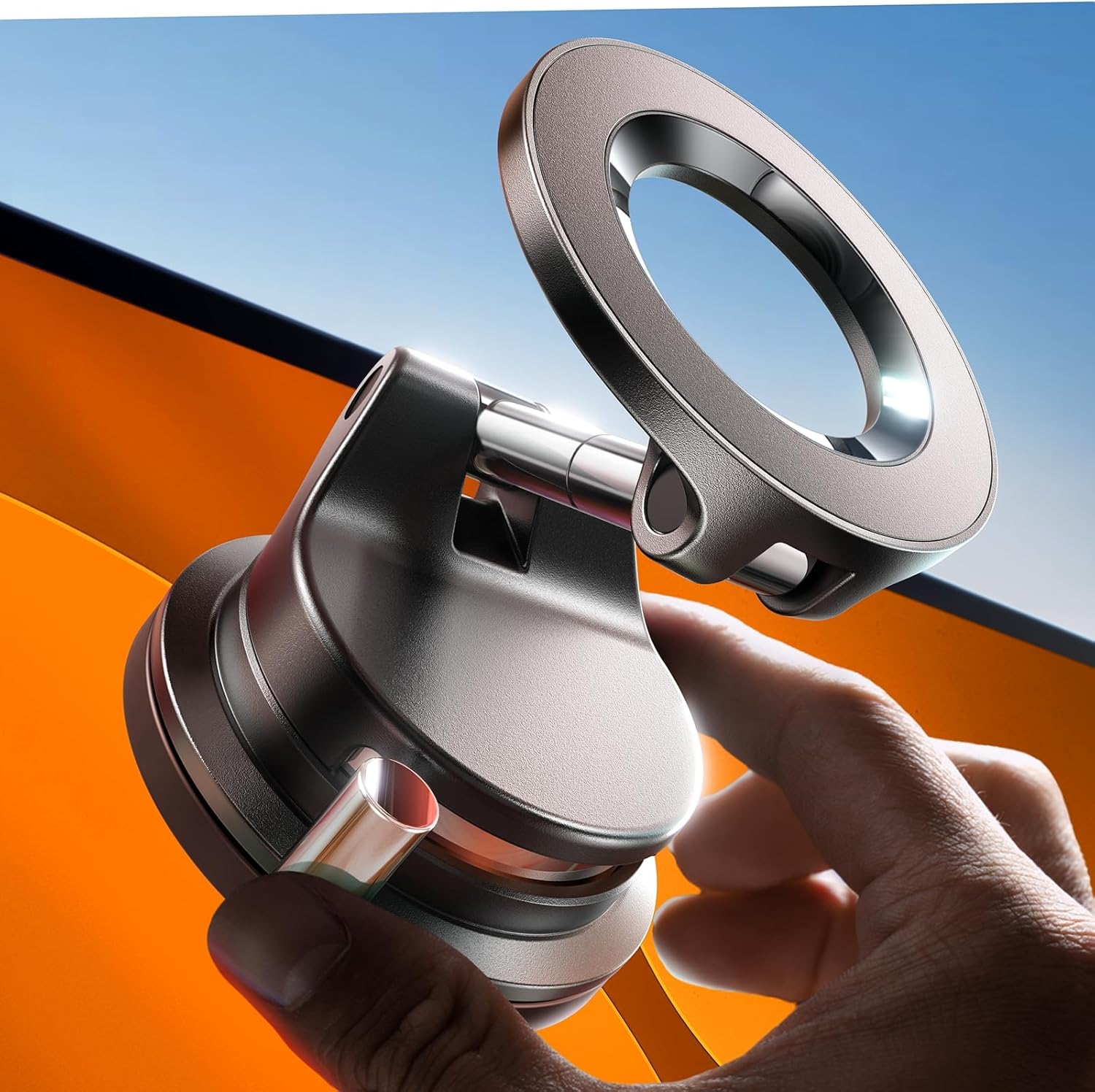
Useful suction baseline for repositioning speed and repeat lock confidence.
Check Price on AmazonAdhesive outcomes split by surface compatibility: on cleaner, flatter dashboard zones they stayed calm; on textured or marginally prepped surfaces, tiny edge-lift behavior started appearing, especially after hot parked cycles.
Suction outcomes split by seal consistency: better cups stayed repeatable with minimal fuss; average setups still held but started needing occasional lock confidence checks after hotter restarts.
Neither category failed dramatically. The difference was friction rhythm: how often small corrections interrupted routine.
Week 3: slip versus peel patterns become obvious
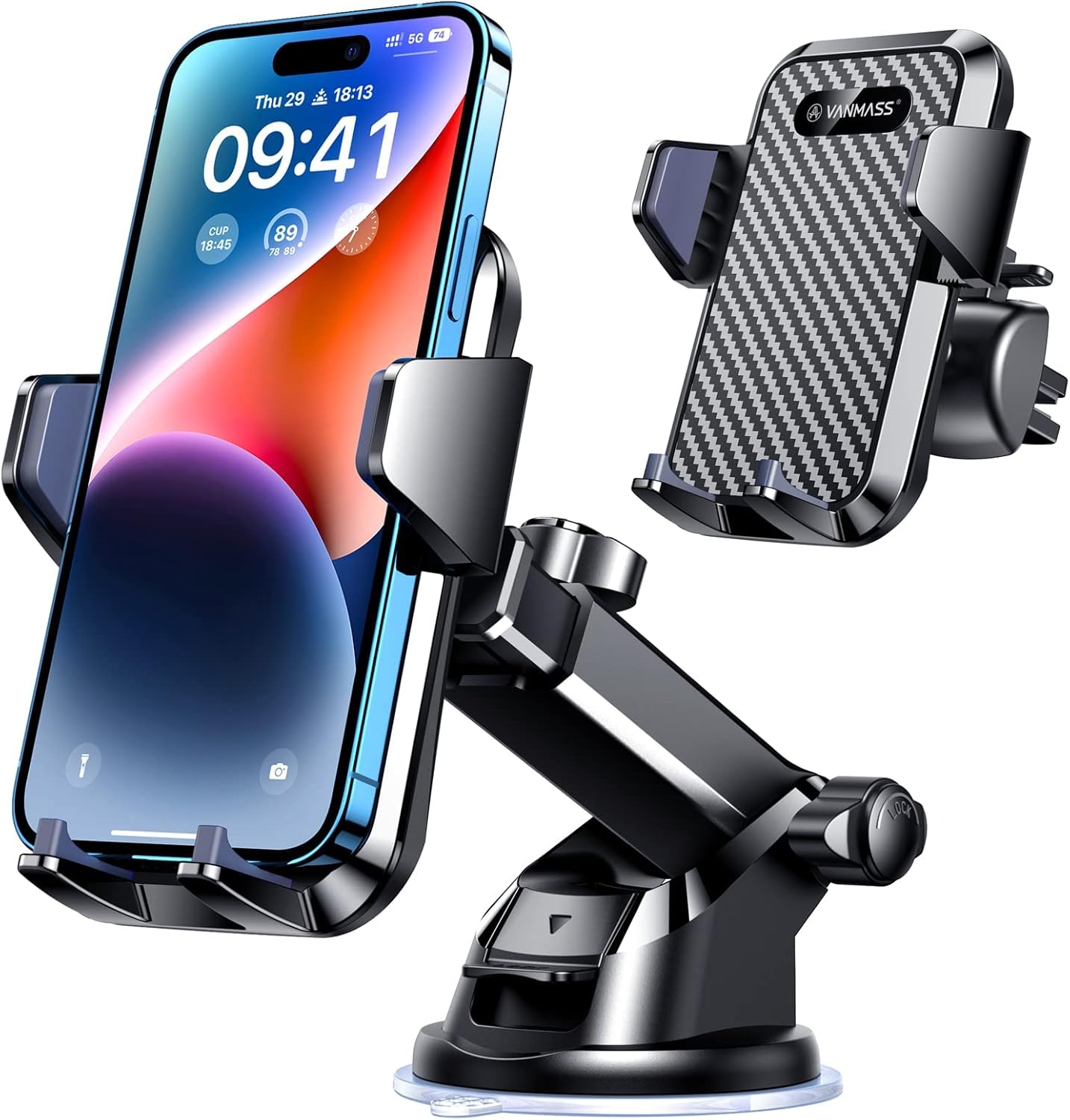
Hybrid comparison point when deciding between flexible suction and fixed adhesive setups.
Check Price on AmazonThis phase showed the most practical distinction.
Adhesive mounts rarely made dramatic moves, but when they began drifting, it was usually a slow cumulative pattern: mild edge fatigue, then subtle angle creep, then periodic re-pressing behavior.
Suction mounts more often showed immediate but recoverable behavior: a slight early-drive shift after heat, then stable hold once reset correctly. With good prep, this was manageable. With lazy prep, it became repetitive.
The key lesson: adhesive tends to degrade gradually when mismatched to surface; suction tends to expose prep discipline faster.

Suction-vacuum control point for consistency after repeated hot parked starts.
Check Price on AmazonWeek 4: real ownership verdict after 30 days
By the final week, the winner in day-to-day comfort was not simply adhesive or suction. It was the setup that asked for fewer tiny interventions in your specific cabin.
Adhesive won when: - dashboard zone was compatible and carefully prepped - user preferred a set-and-leave placement style - minimal visual movement was the top priority
Suction won when: - flexibility and repositioning mattered - user tolerated light maintenance checks - windshield/dash geometry supported reliable seal behavior
What consistently lost was rushed installation. Most this mount is annoying outcomes were setup-quality failures before they were hardware failures.
Practical buying shortcut from this test
Choose adhesive if you have a known-good dashboard zone and want long-run positional calm with minimal repositioning.
Choose suction if your priority is adjustability and you want faster recovery when placement needs to change.
If you are unsure, run a 7-day pilot with disciplined prep first, then decide based on correction count. The number of post-install touch-ups predicts long-term satisfaction better than first-day grip impressions.
Related reads that complement this test
For surface prep depth, revisit Mounting Surface Prep Test: 12 Cleaning Methods Compared for Suction Hold, Adhesive Grip, and 14-Day Stability.
For summer restart behavior, pair with Phone Mount Summer Heat Recovery Test: 20 Parked-Car Cycles and Re-dock Stability in Real Commutes.
For suction-only long-run behavior, compare with Dashboard Suction Mount 30-Day Test: Heat Fade, Re-stick Reliability, and Windshield Vibration Drift.
For broader category framing, Suction Cup vs Vent Mount: When Which Is Better? helps if your final decision expands beyond dash-only options.
Final takeaway
Over 30 days, this was not a story of one universally superior mount type. It was a story of fit: fit between mount mechanism, cabin surface, heat exposure, and owner behavior.
Adhesive can feel premium when surface match is right. Suction can feel smarter when adjustability is part of your real routine. In daily commuting, the best mount is the one that disappears into habit and stops asking for attention.
For a textured-interior durability deep dive, see [Textured Dashboard Survival Test: 8 Mount Base Materials Compared for Creep, Noise, and Heat Cycling].
For low-temperature startup behavior and first-dock consistency, see [Cold Morning Grip Test: 0-10°C Startups, Clamp Stiffness, and First-Dock Reliability Across Mount Types].
If your interior has grainy plastics, Best Car Mount Base for Textured Dashboards? 8 Materials Tested for Creep, Noise, and Heat is the best companion comparison.
For quick selection before deeper testing, use MagSafe vs Clamp vs Suction: Which Car Phone Holder Should You Buy in 2026? and Best Car Phone Holders by Driver Type: Commuter, Rideshare, Truck, Family, and Delivery Use Cases (2026).
For prep discipline that directly affects both adhesive and suction outcomes, revisit Mounting Surface Prep Test: 12 Cleaning Methods for Suction Hold, Adhesive Grip, and 14-Day Stability.
Water blast and soap can stress mount bases in ways heat tests alone do not capture. See Touch Car Wash Survival Test: When Your Phone Mount Is in the Brush Zone (Suction, Vent Hook, and Adhesive).
Winter wet-cabin suction and adhesive re-seat diary: Winter Wet-Cabin Week: Snow Melt, Humidity, and Suction Re-seat Honesty After Real Slush Days.
Review articles
View all →
